
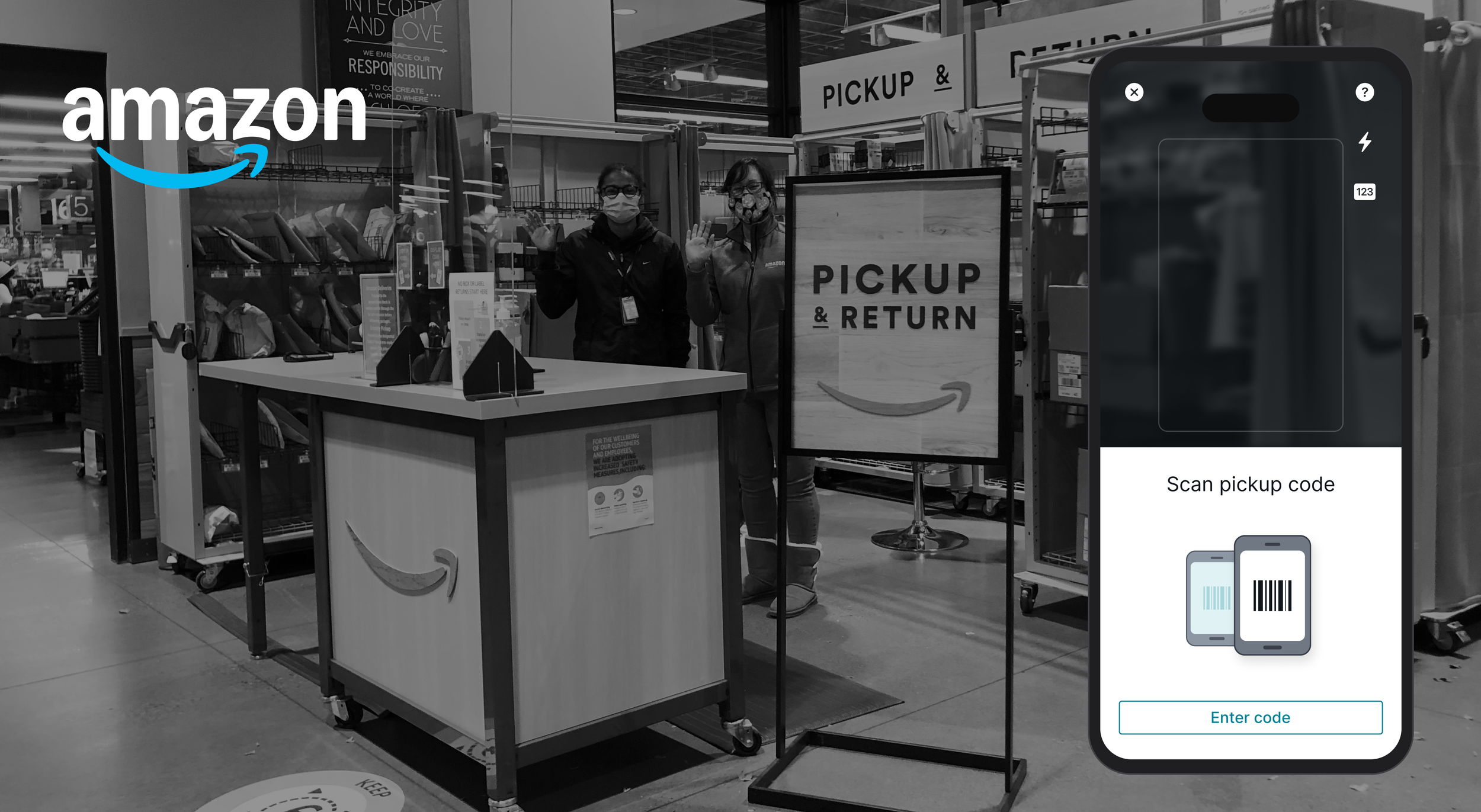
Amazon Pickup & Returns
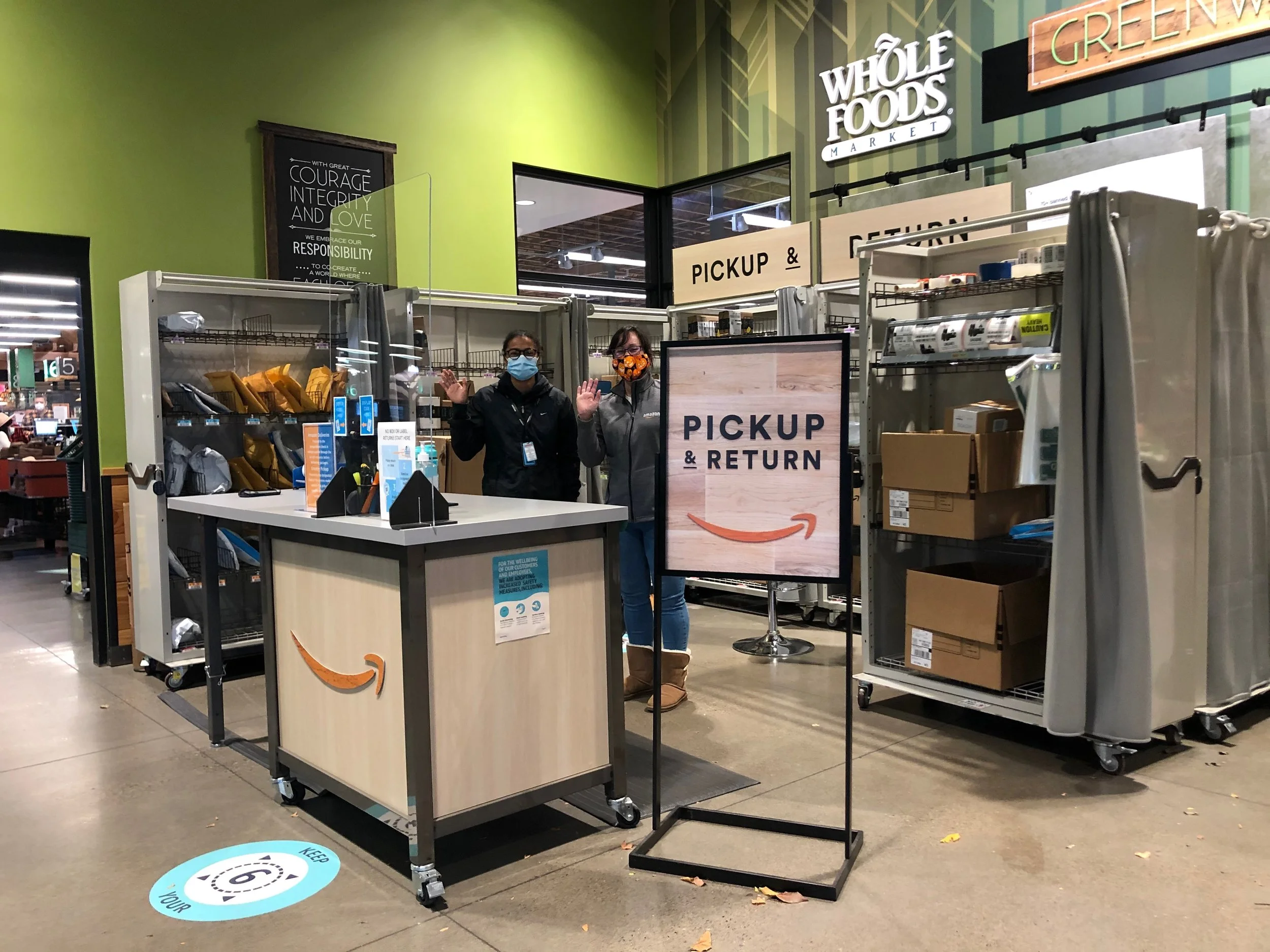
If you’ve ever returned a product you purchased on Amazon at a Whole Foods without a box or label, you’ve used one of my favorite projects. Even 3 years later, I am still amazed when I do it myself. I peer across the counter at the store associates device and look for changes in the flow (it’s still unchanged, #nailedit) and walk out of the store with a spring in my step.
However, the underneath simplicity of the experience lies a complex service design involving a worldwide logistics system, one I had to develop intimate knowledge of in order to design for it.
We launched with pickup-only locations in Europe and expanded to pickup and returns worldwide the following year. Since then, Amazon Pickup & Returns has been a successful Amazon product that has led to increases in sales and customer satisfaction.
Here’s how it began:
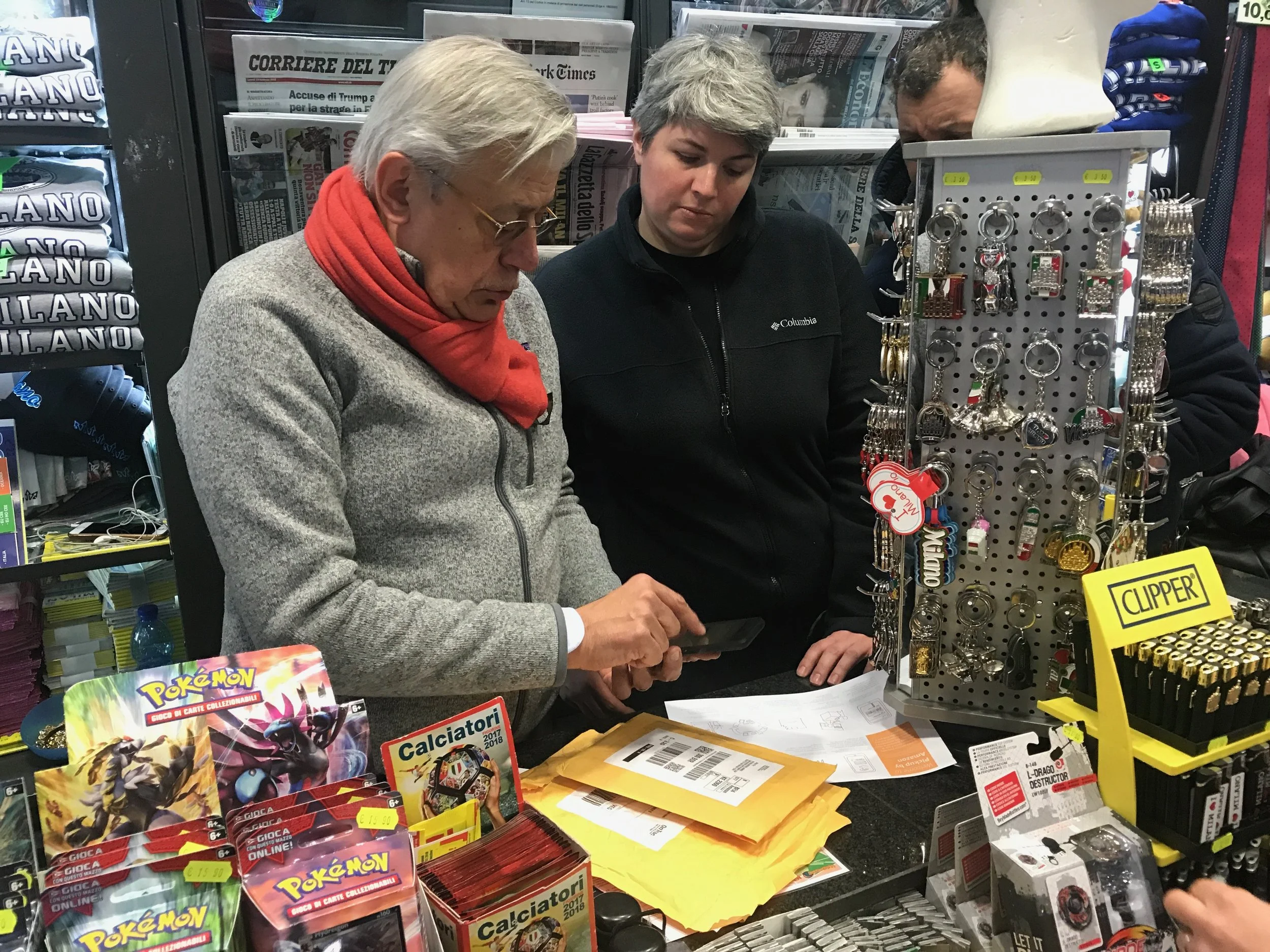
We started with a UXR world tour
Of course, my first step was to understand our user. In this case we had three.
Amazon customers
Store partners like Whole Foods, Kohls, Next, and Amazon Books and Locker+
Amazon fulfillment centers and returns teams
Our team headed off to Italy and the UK, the initial launch regions, to interview users representing each group.
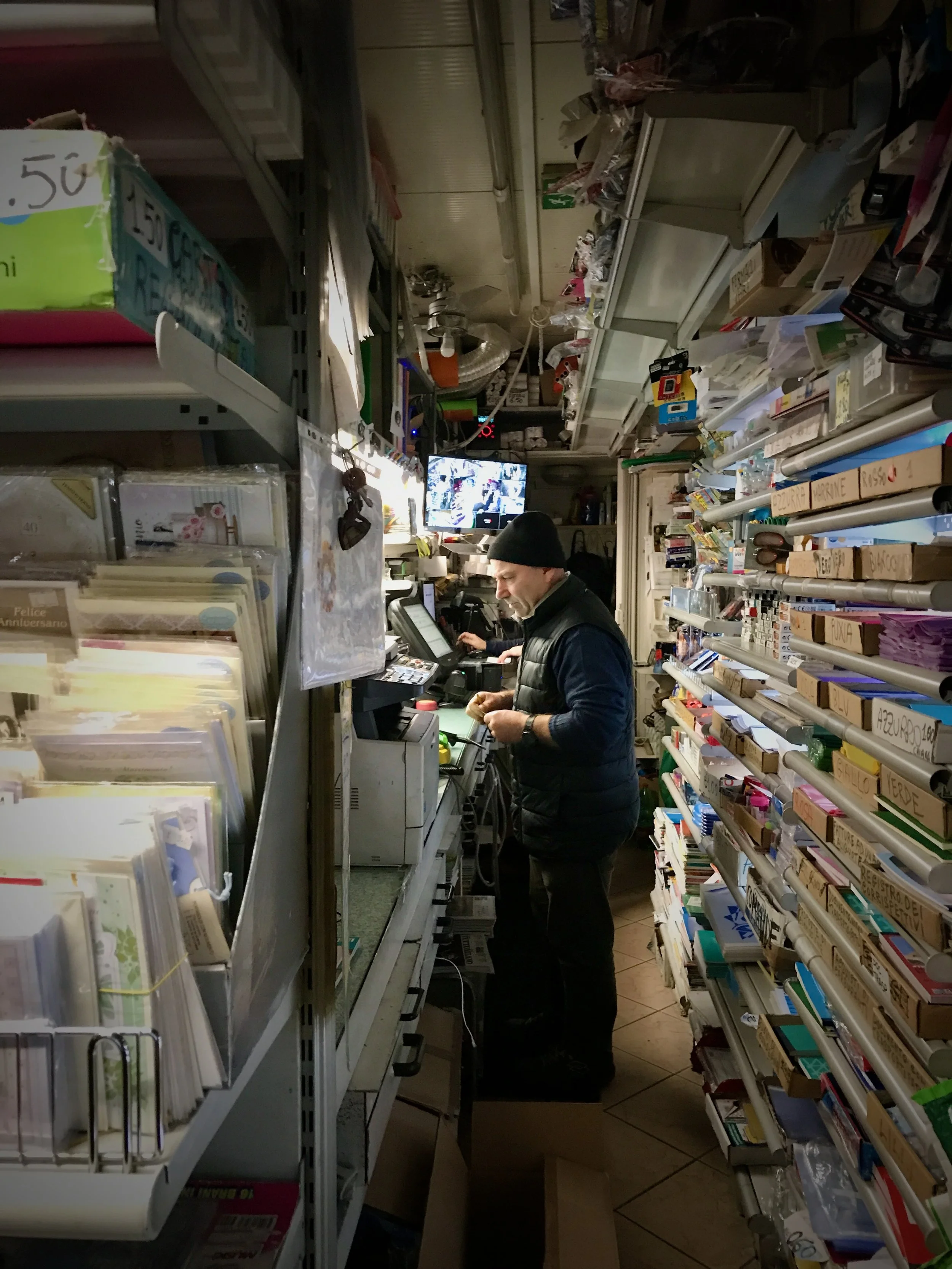
Traveling throughout rural areas in the UK and Italy, we learned:
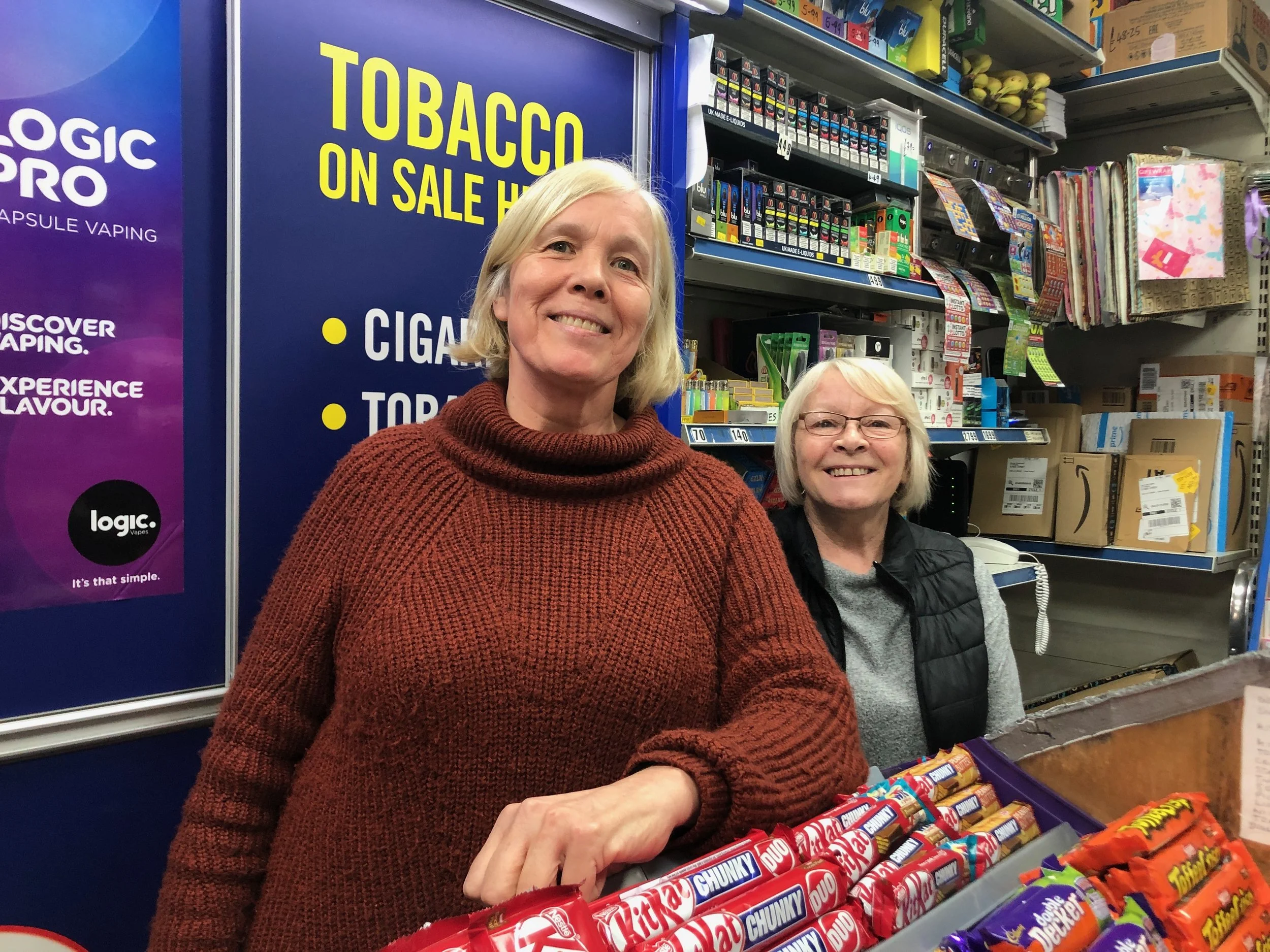
Where there is a will there is a way… to get your Amazon packages - In Monza, a local bus station cafe owner would put your package on a bus headed towards the mountain with a handshake and an espresso.
Businesses offered a myriad of services to bring in customers - Small bodegas and shops offered bill pay, train ticket purchasing, and competitive pickup services in order to make extra money and attract customers.
Time & space were limited - Ensuring that large items were excluded from small locations was an essential upstream requirement. Enabling store associates to process and store items easily was essential.
Delight for store associates
Our store associates quickly became our primary user. They were ambassadors for the Amazon brand and our master of ceremonies for the pickup and return experience. We focused the service design on making their lives easier with the hope they would pay it forward to our customers.
Staying connected to users
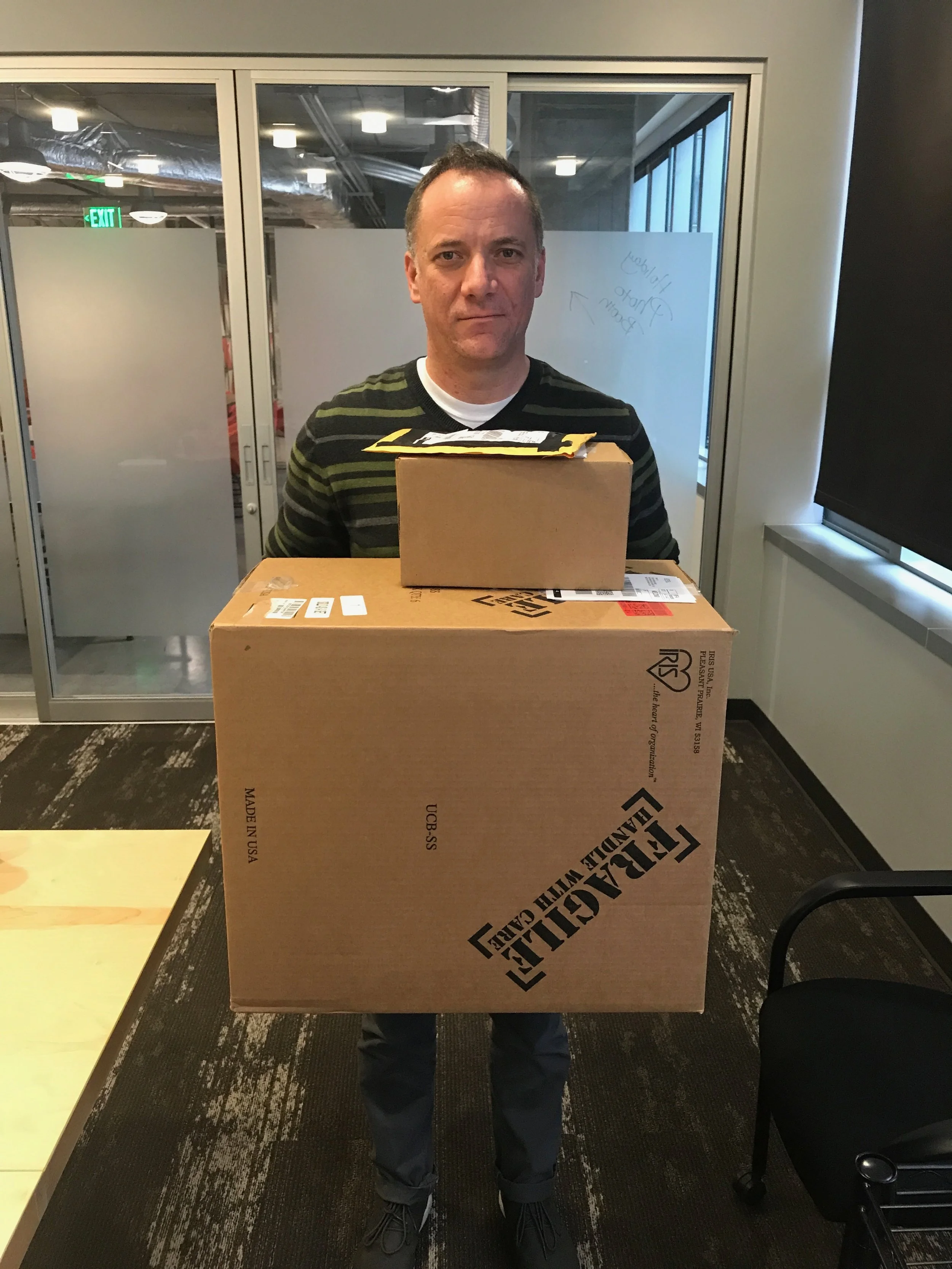
Back stateside, I took lengths to include physical space and objects in my design work in order to stay connected to our users. Each design iteration included working with prototypes on devices and mockups of packages and spaces.
I worked with product and engineering partners to understand the technical and logistical constraints, as well as use design thinking to push beyond limitations with product innovations.
The fidelity should match the thinking
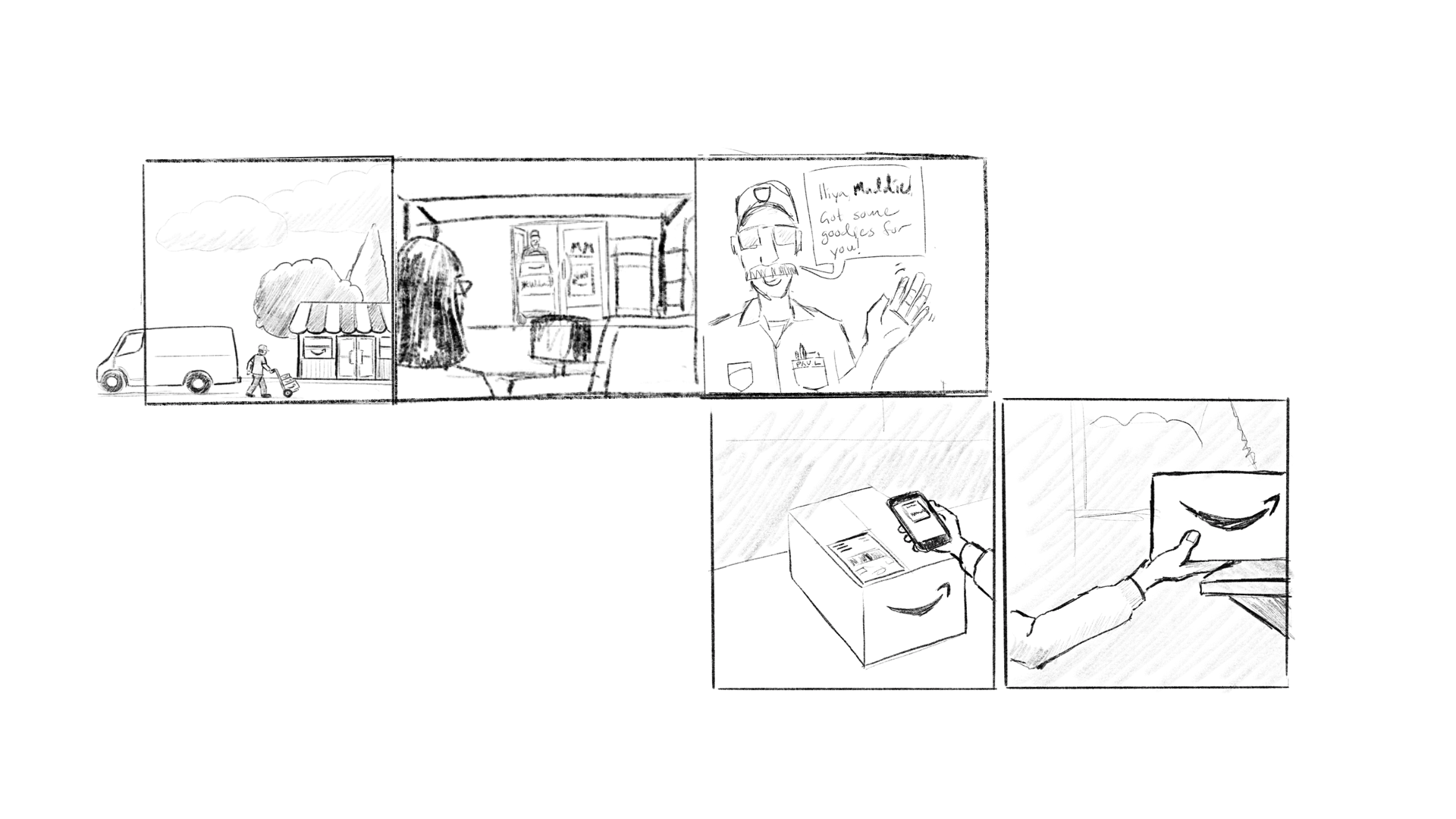
Another consistent tool in my toolbox that became invaluable in this project was sketching. Through narrative sketches, essentially Amazon Pickup comics, I was able to depict the entire end-to-end experience, including different actors, locations, and physical spaces. Conveying what happens beyond the screen has become key ingredient in my design practice.
Gaining buy-in from leadership
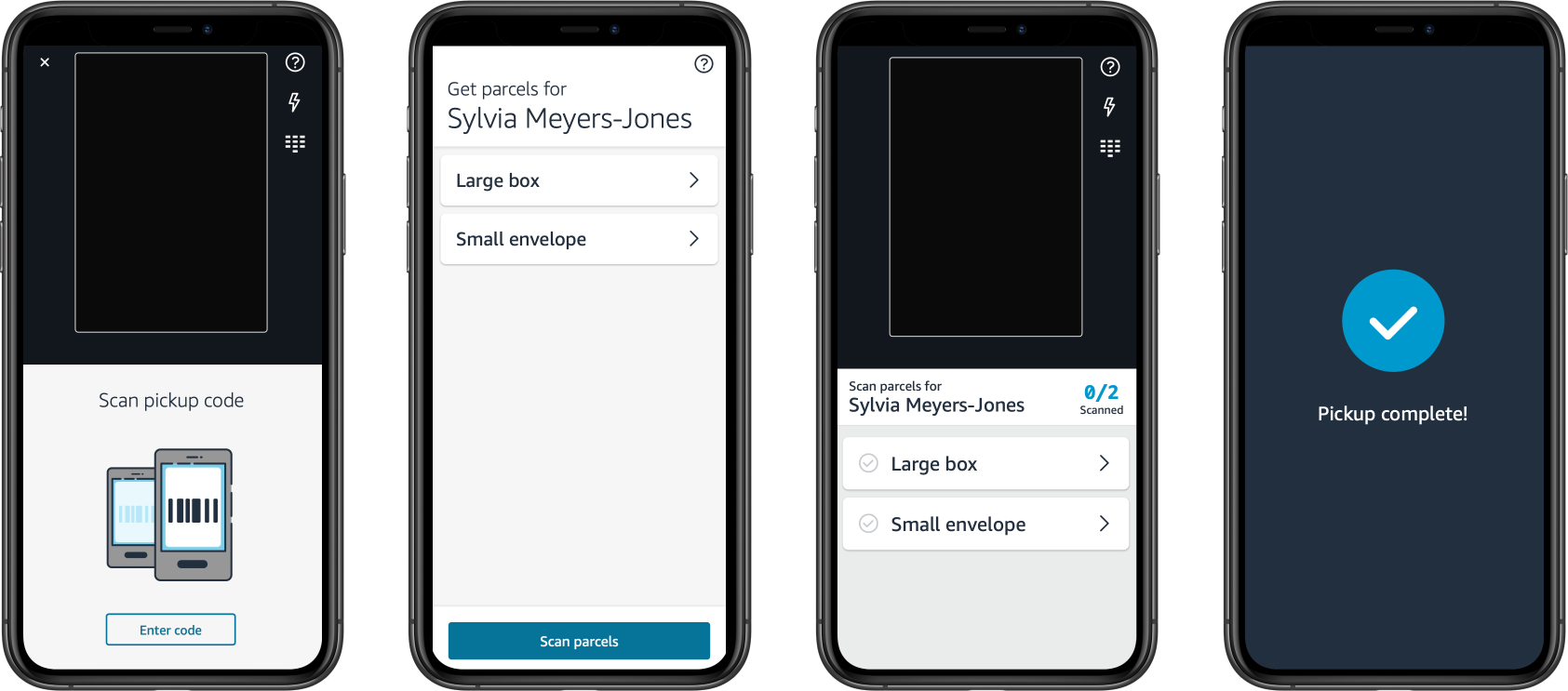
As we came closer to launch, communicating the experience to leadership became an important challenge to meet. I worked with a design technologist to create a semi-live mockup of the app that would allow store associates to scan packages in and send pickup notifications to users.
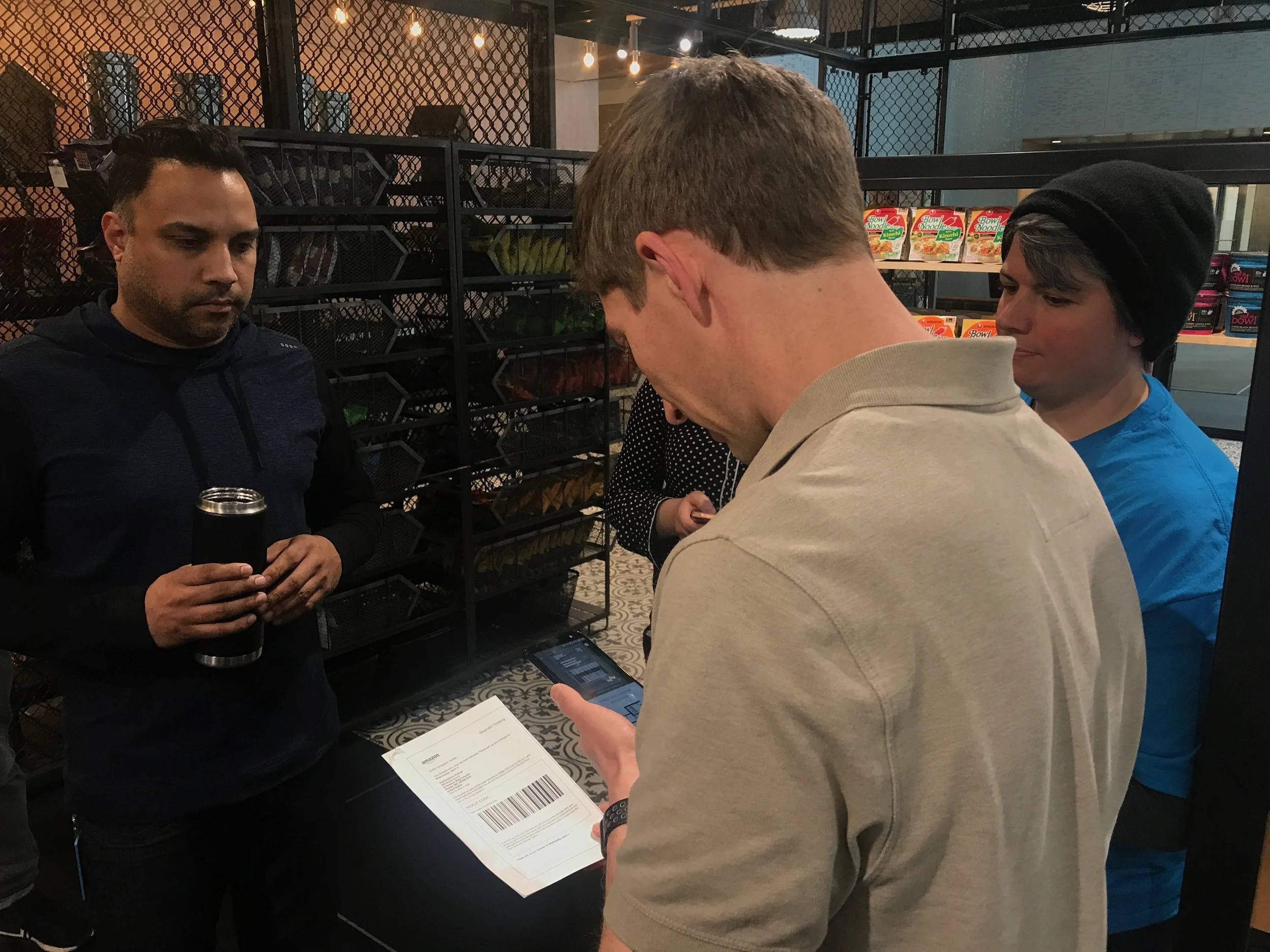
With my product partners, we setup a prototype pickup location in Houdini South, one of Amazon’s buildings in South Lake Union. Our leaders and co-workers were able to experience each part of the experience as a driver, store associate, and customer.
But wait, there’s more!
This simple looking app (one of the foundational experiences in Amazon’s Meridian Design System) was just the start. To hear the story of how I used my skills as a design thinker and collaborator to lead product design for returns, schedule an interview.